Architectural 3D Rendering
Transforming Ideas into Exquisite 3D Realities
Architectural 3D rendering contribute to a more efficient, transparent, and engaging design process.
Ultimately enhancing future buyers or clients a satisfaction for success.
- Visualization: 3D rendering allows clients to visualize the design concept in a realistic and detailed manner. This helps them to understand the spatial relationships, proportions, and aesthetics of the project before it is built. It provides a more accurate representation than traditional 2D drawings.
- Design Communication: 3D renders serve as powerful communication tools between architects, designers, and clients. They help convey design ideas and concepts more effectively than technical drawings, reducing the chance of misinterpretation.
- Design Iteration: With 3D rendering, it is easier to make design changes and iterations. Clients can provide feedback on the visual representation of the project, and designers can quickly adjust the model to reflect those changes. This iterative process can lead to a more refined and satisfactory final design.
- Marketing and Presentation: High-quality 3D renders are valuable for marketing and presentation purposes. They can be used in promotional materials, websites, and presentations to showcase the project in the best light, attracting potential investors, buyers, or stakeholders.
- Cost and Time Savings: While creating 3D renders initially requires an investment, it can result in cost and time savings in the long run. Identifying design issues in the virtual environment can prevent costly changes during the construction phase. Additionally, clients can make informed decisions about materials and finishes, avoiding costly mistakes.
- Client Involvement and Satisfaction: Involving clients in the design process through 3D rendering fosters a sense of collaboration. Clients feel more engaged when they can see and understand the design in a tangible way, leading to higher satisfaction with the final outcome.
- Approval Process: 3D renders can be instrumental in gaining project approvals from various stakeholders, including clients, local authorities, and investors. The realistic representation helps in presenting the project in a compelling way, increasing the likelihood of getting the necessary approvals.
- Adaptability to Various Platforms: 3D renders can be easily adapted for various platforms, such as virtual reality (VR) or augmented reality (AR), providing clients with immersive experiences. This is particularly beneficial for large-scale projects or those with complex spatial configurations.
Visualization:
- Realism and Detail: 3D rendering allows for the creation of highly realistic images, capturing intricate details such as lighting, textures, and shadows. This level of detail helps clients visualize not only the overall design but also specific elements within the space.
- Spatial Understanding: Clients can explore the spatial relationships within the design. This includes understanding how natural light interacts with the space, how furniture fits into rooms, and how different materials contribute to the overall atmosphere.
- Comparative Analysis: Multiple design options can be presented through 3D renders, enabling clients to compare different scenarios and make informed decisions based on a comprehensive understanding of each.
Design Communication:
- Storytelling: 3D renders enable architects and designers to tell a compelling visual story about the project. This visual narrative is often more accessible and engaging than technical drawings, facilitating better communication between all parties involved.
- Language of Design: Clients who may not be well-versed in technical drawings can easily grasp the design intent through 3D renders. This promotes a shared understanding of design concepts and goals.
Design Iteration:
- Efficiency: The iterative nature of design is expedited with 3D rendering. Design changes can be implemented rapidly, allowing for quick feedback loops between clients and designers. This agility in the design process contributes to a more refined and optimized final product.
- Interactive Collaboration: Some 3D rendering tools support real-time collaboration, allowing clients and designers to make changes together, fostering a collaborative and transparent design process.
Marketing and Presentation:
- Emotional Connection: High-quality 3D renders evoke emotions and create a strong connection with the audience. This emotional appeal is valuable in marketing materials, helping to establish a positive perception of the project.
- Consistency: 3D renders provide a consistent and polished representation of the project, ensuring that the design is presented in the best possible light across various marketing channels.
Cost and Time Savings
- Risk Mitigation: Identifying and addressing design issues in the virtual environment helps mitigate risks associated with construction changes. This proactive approach can prevent costly modifications during the building phase.
- Material Decision Support: Clients can visualize different material options through 3D renders, aiding in informed decision-making. This can prevent costly mistakes and changes related to materials and finishes.
Client Involvement and Satisfaction:
- Empowerment: Involving clients in the design process through 3D rendering empowers them to actively participate and contribute to the project. This sense of involvement often leads to higher satisfaction as clients see their input shaping the final design.
- Educational Value: Clients gain a deeper understanding of design principles and architectural choices through the visualization process. This educational aspect enhances their appreciation for the design and construction process.
Approval Process:
- Persuasive Presentation: 3D renders serve as persuasive tools during the approval process. The realistic representation helps stakeholders envision the completed project, making it easier to garner support and approvals.
- Regulatory Compliance: Clear and detailed 3D renders assist in demonstrating compliance with local regulations and building codes, streamlining the approval process with authorities.
Adaptability to Various Platforms:
- Immersive Experiences: Adapting 3D renders to virtual reality (VR) or augmented reality (AR) platforms provides clients with immersive experiences. This is particularly beneficial for projects with complex spatial configurations, allowing stakeholders to explore the design in a more interactive and dynamic way.
- Accessibility: By utilizing various platforms, architects can make their designs more accessible to a wider audience, including those who may not be familiar with traditional architectural drawings.
-
32 Floors Residental
Concept design
Architectural 3D Rendering
-
TWOTHIRD MASTERDESK
MORE DYNAMICS
Product 3D Rendering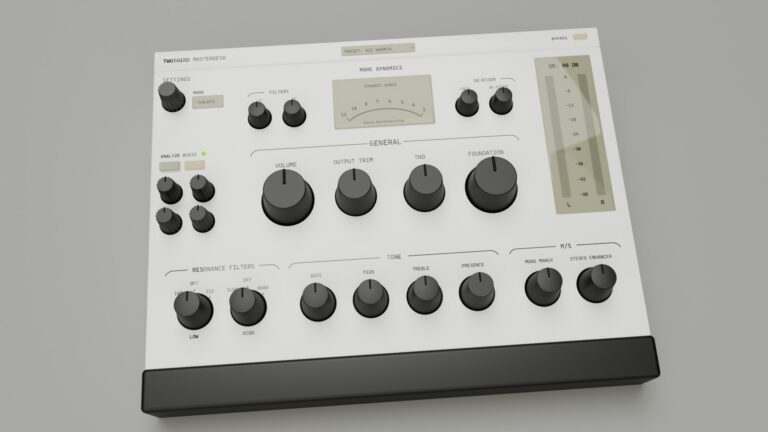
-
Architectural Concept
Piushaven Docks
Architectural 3D Rendering
-
Concept Residental Building
Schouwburg Estate
Architectural 3D Rendering Interior 3D Rendering Product 3D Rendering
-
concept 3D Modeling / Rendering / Animation
Ferrari de Roma 2019
3D Visualization Rendering
-
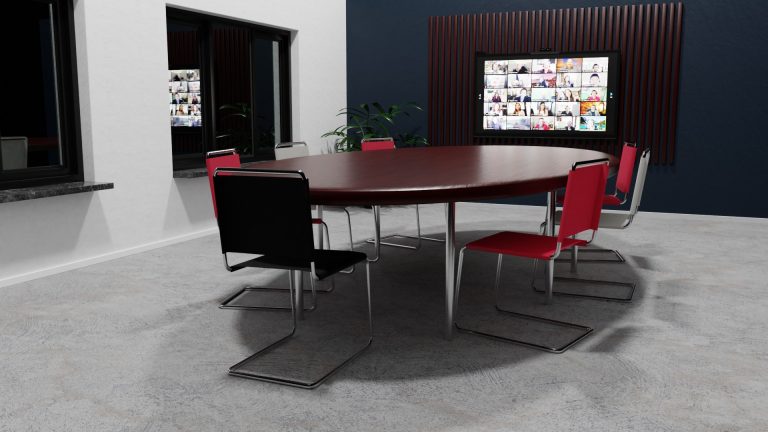
I-Comfort ViewSonic Lease
Visuals of different types of spaces for both educational and corporate clients.
-
Interior Appartement Design
An apartment with a modern look and feel with a good view of the city.
Interior 3D Rendering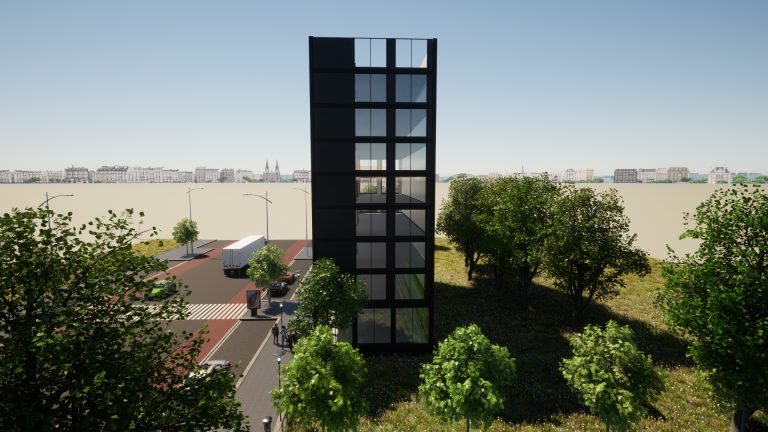
-
Residental Building
Architectural Rendering Concept
Architectural 3D Rendering
-
Soundbox Concept Design
Soundbox Concept Design
Product 3D Rendering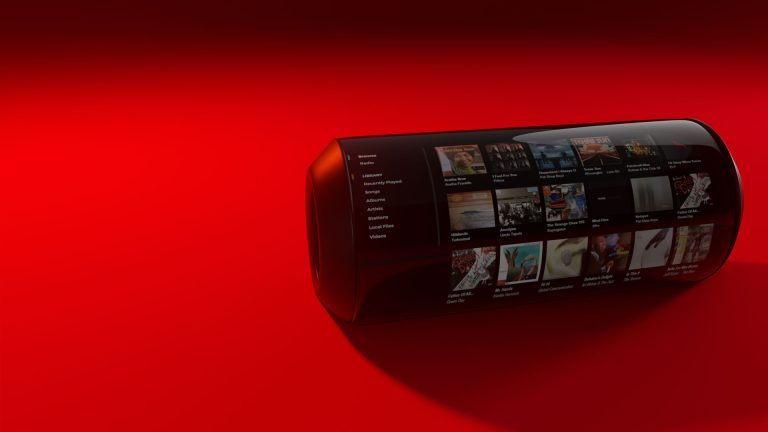
-
Shiva Premium Flower Bags
Designed for the user
Product 3D Rendering