Product 3D Rendering
Conceptualizing Brilliance in Product Creation
Concept to 3D Rendering in Product Design
- Visualization: 3D renderings provide a realistic and detailed visual representation of the concept product. This allows designers to see how the product will look in the real world, including details such as colors, textures, and materials. It helps designers and stakeholders to visualize the final product before it is actually produced.
- Communication: 3D renderings can serve as effective communication tools. Designers can use them to convey their ideas and concepts to team members, clients, investors, and other stakeholders. Visualizing the design in 3D can make it easier for others to understand the vision behind the product.
- Iterative Design: 3D renderings make it easier to make design iterations and modifications. Designers can quickly make changes to the virtual model, test different ideas, and refine the design before committing to physical prototypes or production. This iterative process can save time and resources in the long run.
- Cost Savings: Creating physical prototypes can be expensive and time-consuming. By using 3D renderings, designers can explore different design options and identify potential issues without the need for physical prototypes. This can lead to cost savings in terms of materials and production time.
- Marketing and Sales: High-quality 3D renderings can be used in marketing materials, presentations, and promotional content. They can help create visually appealing and professional-looking materials that showcase the product in the best light. This can be particularly useful when trying to attract investors, customers, or partners.
- Realism and Detail: 3D renderings allow designers to create highly realistic and detailed representations of their products. This level of detail can be crucial for assessing the aesthetic appeal, functionality, and overall design of the product. It can also be valuable for getting feedback from stakeholders.
- Virtual Prototyping: 3D renderings can serve as virtual prototypes, allowing designers to simulate the product’s behavior and functionality. This can be especially beneficial in industries such as automotive design or industrial design, where understanding how a product will perform in different conditions is crucial.
- Global Collaboration: In today’s globalized world, teams often work across different locations. 3D renderings can be easily shared and accessed online, facilitating collaboration among team members who may be geographically dispersed.
Visualization:
3D renderings provide a lifelike and intricate representation of the conceptualized product, offering a comprehensive view of its appearance in the real world.
This visualization extends to capturing nuanced elements such as colors, textures, and materials, allowing designers and stakeholders to envision the final product with remarkable accuracy.
Communication:
Serving as powerful communication tools, 3D renderings enable designers to effectively articulate their ideas to various stakeholders, including team members, clients, and investors. The visual depth of 3D representations facilitates a clearer understanding of the design vision, fostering improved communication and alignment among project contributors.
Interactive Design:
3D renderings streamline the iterative design process, empowering designers to swiftly implement modifications to the virtual model.
This flexibility enables the testing of diverse design concepts and refining the product’s features before committing to physical prototypes or production, ultimately saving both time and resources.
Cost Savings:
The creation of physical prototypes can incur substantial costs in terms of materials and time. Utilizing 3D renderings allows designers to explore design alternatives and identify potential issues without the need for costly physical prototypes.
This cost-effective approach enhances efficiency in the design phase and contributes to overall savings in the production process.
Marketing and Sales:
High-quality 3D renderings become invaluable assets in marketing initiatives, presentations, and promotional materials.
Leveraging these renderings helps in crafting visually appealing and professionally presented materials, showcasing the product in its most favorable light. This visual allure is particularly beneficial in attracting investors, customers, and partners.
Realism and Detail:
3D renderings empower designers to craft highly realistic and intricately detailed representations of their products.
This attention to detail is critical for evaluating the aesthetic appeal, functionality, and overall design integrity, providing a platform for constructive feedback and informed decision-making by stakeholders.
Virtual Prototyping:
Serving as virtual prototypes, 3D renderings enable designers to simulate and assess the behavior and functionality of the product.
Particularly advantageous in industries like automotive and industrial design, this virtual prototyping aids in comprehending how the product will perform under various conditions, contributing to a more robust and refined final design.
Global Collaboration:
In the contemporary globalized work environment, 3D renderings facilitate seamless collaboration among geographically dispersed teams.
Easily shareable and accessible online, these renderings enhance communication and cooperation, ensuring that team members from different locations can contribute to the design process effectively.
-
32 Floors Residental
Concept design
Architectural 3D Rendering
-
TWOTHIRD MASTERDESK
MORE DYNAMICS
Product 3D Rendering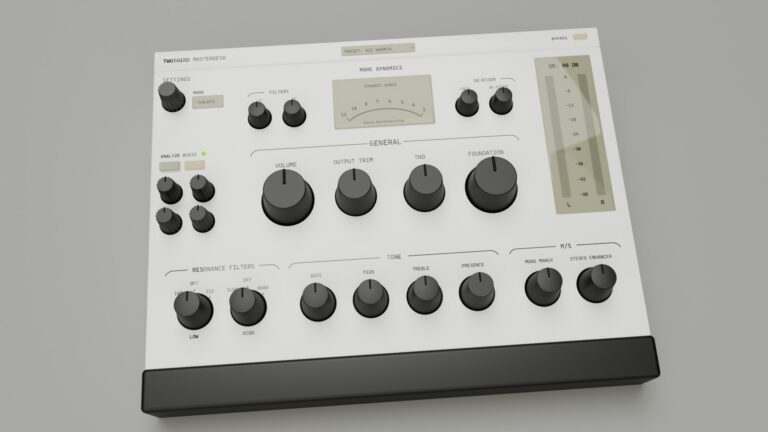
-
Architectural Concept
Piushaven Docks
Architectural 3D Rendering
-
Concept Residental Building
Schouwburg Estate
Architectural 3D Rendering Interior 3D Rendering Product 3D Rendering
-
concept 3D Modeling / Rendering / Animation
Ferrari de Roma 2019
3D Visualization Rendering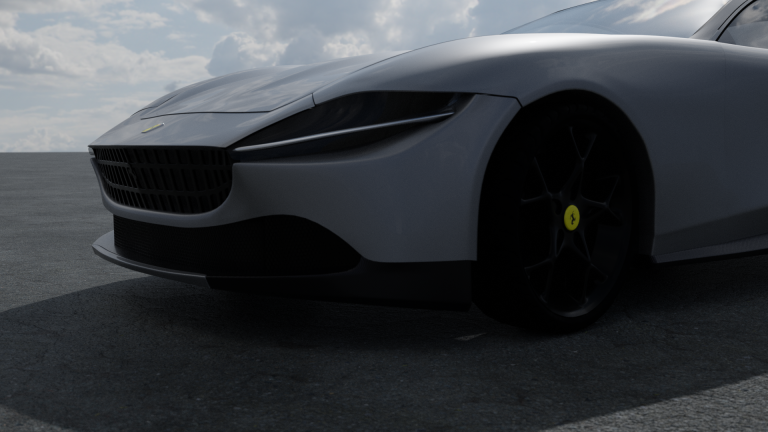
-
I-Comfort ViewSonic Lease
Visuals of different types of spaces for both educational and corporate clients.
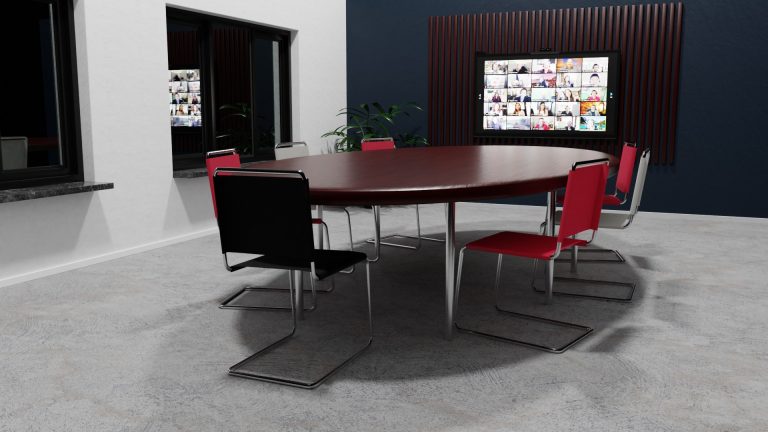
-
Interior Appartement Design
An apartment with a modern look and feel with a good view of the city.
Interior 3D Rendering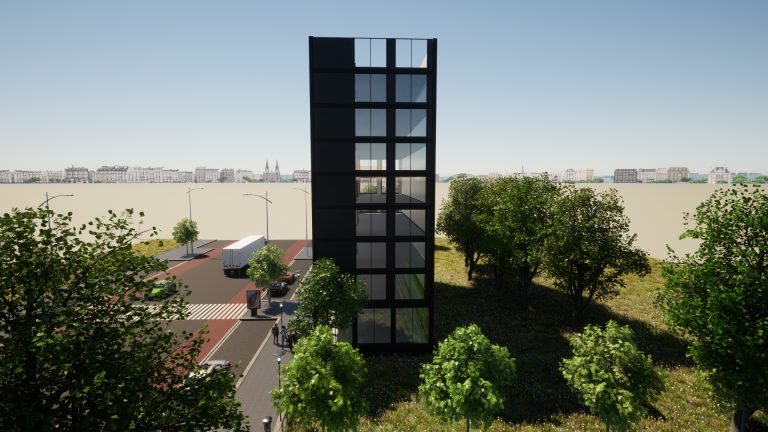
-
Residental Building
Architectural Rendering Concept
Architectural 3D Rendering
-
Soundbox Concept Design
Soundbox Concept Design
Product 3D Rendering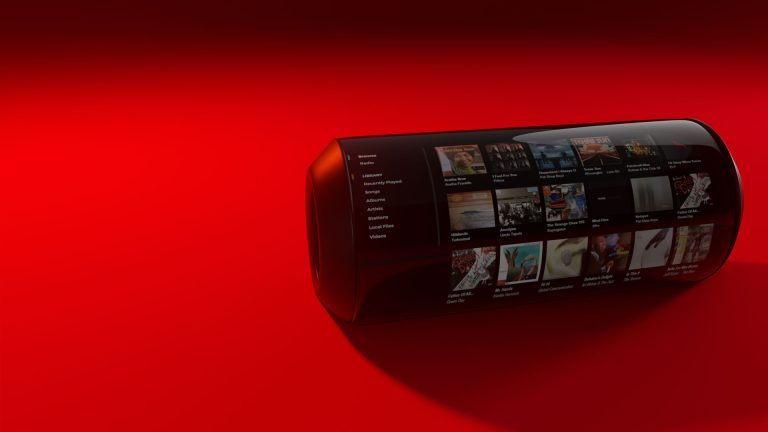
-
Shiva Premium Flower Bags
Designed for the user
Product 3D Rendering